Montbazillac Beautiful actress Shirley Eaton was born in London, England, on January 12, 1936. Her acting career began during her teenage years on early television in the BBC comedy series Parent-Craft (1951; with Robert Morley). Her film career got going a few years later, mainly in comedies, in which she often portrayed a blond bombshell; unlike many of her American contemporaries, however, she didn't portray the stereotypical dumb blonde. Standing 5' 10", the statuesque actress easily found roles befitting her talent and beauty. Some of her comedies include Sailor Beware! (1956), Carry On Nurse (1959; with Kenneth Connor), and Eight on the Lam (1967; with Bob Hope). Into the 1960s, however
 , she began moving away from comedies and starred in a number of thrillers and action adventure flicks, such as The Girl Hunters (1963; with Mickey Spillane), Ten Little Indians
  (1965; with Hugh O'Brian and Fabian), and The Million Eyes of Sumuru (1967; with George Nader and Frankie Avalon).In the late 1960s, following the release of The Girl from Rio
  (1969; with George Sanders), Eaton walked away from acting after nearly 20 years as a working actress, giving up her career to raise her two children. Married in 1958, today the still-gorgeous Eaton is a widow and remains retired from the screen but is a frequent interview subject regarding her films. Eaton published an autobiography in 2000 titled Golden Girl, which is now out of print but is available used and a must-read for her fans.
 The Girl Hunters (1963) is a British-made film, adapted from the 1962 Mickey Spillane pulp novel The Girl Hunters.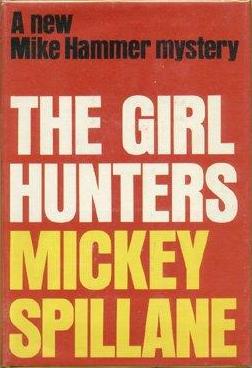
Beautiful actress Shirley Eaton was born in London, England, on January 12, 1936. Her acting career began during her teenage years on early television in the BBC comedy series Parent-Craft (1951; with Robert Morley). Her film career got going a few years later, mainly in comedies, in which she often portrayed a blond bombshell; unlike many of her American contemporaries, however, she didn't portray the stereotypical dumb blonde. Standing 5' 10", the statuesque actress easily found roles befitting her talent and beauty. Some of her comedies include Sailor Beware! (1956), Carry On Nurse (1959; with Kenneth Connor), and Eight on the Lam (1967; with Bob Hope). Into the 1960s, however, she began moving away from comedies and starred in a number of thrillers and action adventure flicks, such as The Girl Hunters (1963; with Mickey Spillane), Ten Little Indians (1965; with Hugh O'Brian and Fabian), and The Million Eyes of Sumuru (1967; with George Nader and Frankie Avalon).In the late 1960s, following the release of The Girl from Rio (1969; with George Sanders), Eaton walked away from acting after nearly 20 years as a working actress, giving up her career to raise her two children. Married in 1958, today the still-gorgeous Eaton is a widow and remains retired from the screen but is a frequent interview subject regarding her films. Eaton published an autobiography in 2000 titled Golden Girl, which is now out of print but is available used and a must-read for her fans.The Girl Hunters (1963) is a British-made film, adapted from the 1962 Mickey Spillane pulp novel The Girl Hunters.Mickey Spillane played Mike Hammer, one of the few occasions in film history in which an author of a popular literary hero has portrayed his own character. It also starred Bond girlShirley Eaton (Goldfinger), actor Lloyd Nolan, and Hy Gardner as himself.  The film features examples of product placement in a film when Spillane and Nolan share a couple of cans of Pabst Blue Ribbon. Also, during the first newsstand scene, Mad Magazine #77 (March 1963) is clearly visible.
The film features examples of product placement in a film when Spillane and Nolan share a couple of cans of Pabst Blue Ribbon. Also, during the first newsstand scene, Mad Magazine #77 (March 1963) is clearly visible.Spillane recalled meeting crime figure Billy Hill in London and invited him to the film set. According to Spillane, Hill provided firearms that were used in the film. Spillane also noted that the producers surrounded him with actors who were shorter than he was.Hill was born into a London criminal family and committed his first stabbing aged fourteen. He began as a house burglar in the late 1920s, then specialized in "smash-and-grab" raids targeting furriers and jewellers in the 1930s. During World War II, he moved into the black market, specializing in foods and petrol. He also supplied forged documents for deserting servicemen and was involved in West End protection rackets with fellow gangster Jack Spot.
In the late 1940s, he was charged with burgling a warehouse and fled to South Africa. Following an arrest there for assault, he was extradited to Britain, where he was convicted for the warehouse robbery and served time in prison. This was Billy's last jail term. After his release he met Gypsy Riley, better known as Gyp, who became his common-law wife.
In 1952, he planned the Eastcastle St. postal van robbery netting £287,000 (2010: £6,150,000), and in 1954 he organised a £40,000 bullion heist. No one was ever convicted for these robberies. He also ran smuggling operations from Morocco during this period.
In 1955 Hill wrote his memoir Boss of Britain's Underworld. In it he described his use of the shiv:
- I was always careful to draw my knife down on the face, never across or upwards. Always down. So that if the knife slips you don't cut an artery. After all, chivving is chivving, but cutting an artery is usually murder. Only mugs do murder.
Hill was the mentor to Ronnie and Reggie Kray, advising them in their early criminal careers and relations remained cordial throughout.Producer Robert Fellows intended on following the film with Spillane's The Snake but it was never made
The Blood of Fu Manchu (1968) as Black Widow
The Blood of Fu Manchu (1968) as Black Widow
The Million Eyes of Sumuru (1967) as Sumuru
Around the World Under the Sea (1966/I) as Dr. Margaret E. 'Maggie' Hanford
Goldfinger (1964) as Jill Masterson
Rhino! (1964) as Miss Arleigh
Our Man in the Caribbean (1962)
Dentist on the Job (1961) as Jill Venner
Carry on Constable (1960) as Sally Barry
Carry on Nurse (1959) as Staff Nurse Dorothy Denton
Carry on Sergeant (1958) as Mary Sage
The Naked Truth (1957) as Melissa Right
Doctor at Large (1957) as Nan
Three Men in a Boat (1956) as Sophie Clutterbuck
Sailor Beware! (1956) as Shirley Hornett
Charley Moon (1956) as Angel Dream
The Belles of St Trinian's (1954) (uncredited) as Sixth Former
Doctor in the House (1954) as Milly Groaker


_01.jpg)


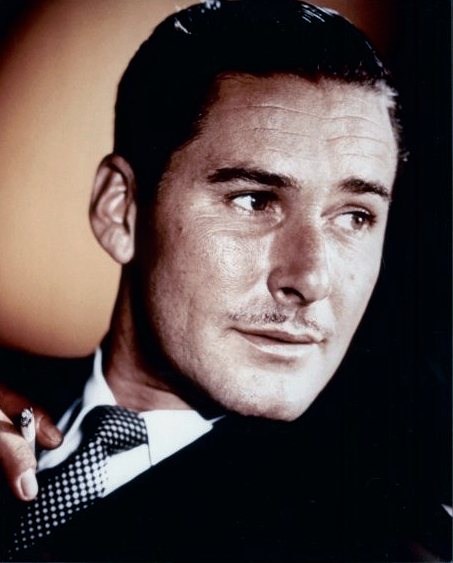
 Flynn was born at the Queen Alexandra Hospital in Battery Point. His mother was born Lily Mary Young, but dropped the first names Lily Mary shortly after she was married and changed her name to Marelle.


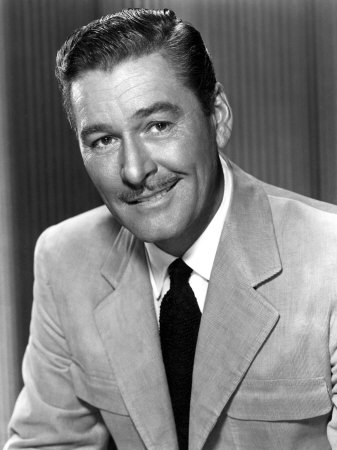


 In an interview for Turner Classic Movies, she said that their relationship was platonic, mostly because Flynn was already married to Lili Damita. The Adventures of Robin Hood was Flynn's first film in Technicolor.

 That was not all: he had recurrent malaria (contracted in New Guinea), chronic back pain (for which he self-medicated with morphine and later, with heroin), lingering chronic tuberculosis, and numerous venereal diseases. Flynn, famous for his athletic roles and promoted as a paragon of physical beauty, was classified – unqualified for military service for not meeting the physical fitness standards.
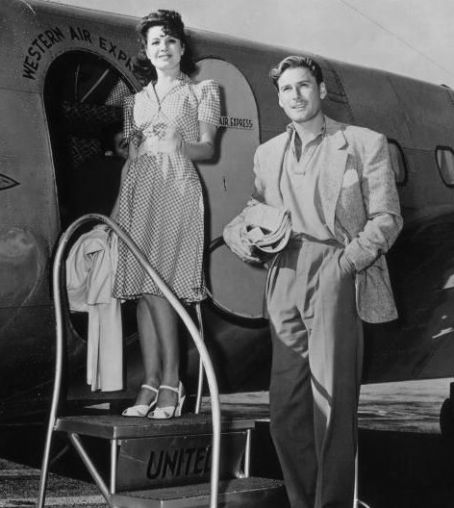
 As a curious postscript to his life of adventure, Flynn went to Cuba in late 1958 to meet with the rebel leader Fidel Castro.
  Flynn was a great supporter of Castro and narrated a short movie titled Cuban Story:The Truth About Fidel Castro Revolution,one of his last works as an actor. His autobiography, My Wicked, Wicked Ways, was published shortly after his death and contains humorous anecdotes about Hollywood.
  According to one literary critic, the book "remains one of the most compelling and appalling autobiographies written by a Hollywood star, or anyone else for that matter".Flynn wanted to call the book In Like Me, but the publisher refused. In 1984, CBS produced a television film based on Flynn's autobiography, starring Duncan Regehr as Flynn.


