Monday, 22 June 2015

nuts keep diease of the body away

Raw organic nuts make for a near-ideal snack given their healthy fat, vitamin, antioxidant, and fiber content. If you’ve avoided them out of concern for your weight, you may want to reconsider.
A growing number of studies refute the myth that nuts might cause weight gain. In fact, the converse is true, as research1 shows weight loss is one of the health benefits of regular nut consumption.
Those who eat nuts on a regular basis also tend to have lower systolic blood pressure and are less likely to have risk factors for metabolic syndrome, such as low HDL cholesterol, abdominal obesity, and high fasting glucose.2
It’s not surprising then that nut consumption has been linked to cardiovascular health and a lower risk for diabetes. A number of studies have also linked nuts to a reduced mortality risk and life extension.
One reason nuts are so beneficial is that many—including walnuts, hazelnuts, pecans, Brazil nuts, and almonds—contain the amino acid l-arginine, which offers multiple vascular benefits to people with heart disease, or those who have increased risk for heart disease due to multiple cardiac risk factors.

Adding Nuts May Help You Live Longer

One large-scale, 30-year long Harvard study 3,4,5,6 found that people who ate a small handful (approximately one ounce or 28 grams) of nuts seven times per week or more were 20 percent less likely to die for any reason, compared to those who avoided nuts.
As reported by the Washington Post:7
“Even those who ate nuts less than once a week had a seven percent reduction in risk. Consuming nuts at least five times a week corresponded to a 29 percent drop in mortality risk for heart disease, a 24 percent decline for respiratory disease and an 11 percent drop for cancer.”
Another study8 published in the Annals of Internal Medicine found that middle-aged women who followed a Mediterranean-style diet rich in nuts and vegetables were approximately 40 percent more likely to survive into later decades without developing some form of chronic disease—including age-related memory deterioration.
Most recently, researchers at Maastricht University investigated the link between specific nuts and diseases, and found that those who ate at least 10 grams (0.3 ounces) of nuts or peanuts a day had an average 23 percent reduced risk of death due to cancer, diabetes, respiratory- and neurodegenerative diseases during the decade-long study.9,10,11
More specifically, nut eaters lowered their risk for:
  • Neurodegenerative disease by 45 percent
  • Respiratory disease by 39 percent
  • Diabetes by 30 percent
According to lead author, Professor Piet van den Brandt: "It was remarkable that substantially lower mortality was already observed at consumption levels of 15g of nuts or peanuts on average per day."
It’s worth noting though that peanuts are “nuts” in name only. It’s actually a legume, and as a general rule I don’t recommend them as they tend to be very heavily sprayed with pesticides and frequently contaminated with aflatoxin. Peanut allergy is also among one of the most common food allergies out there.
In terms of nutrition, peanuts also have the drawback of being relatively high in omega-6, so they may further skew your omega 3 to omega 6 ratio—a problem you may struggle with if you’re eating processed foods and not enough omega-3 fats.
The study in question also determined that peanut butter has no beneficial health effects—not surprising considering the fact most commercial peanut butter contains processed salt and trans fats.

Tree Nuts—a Potent Health Food

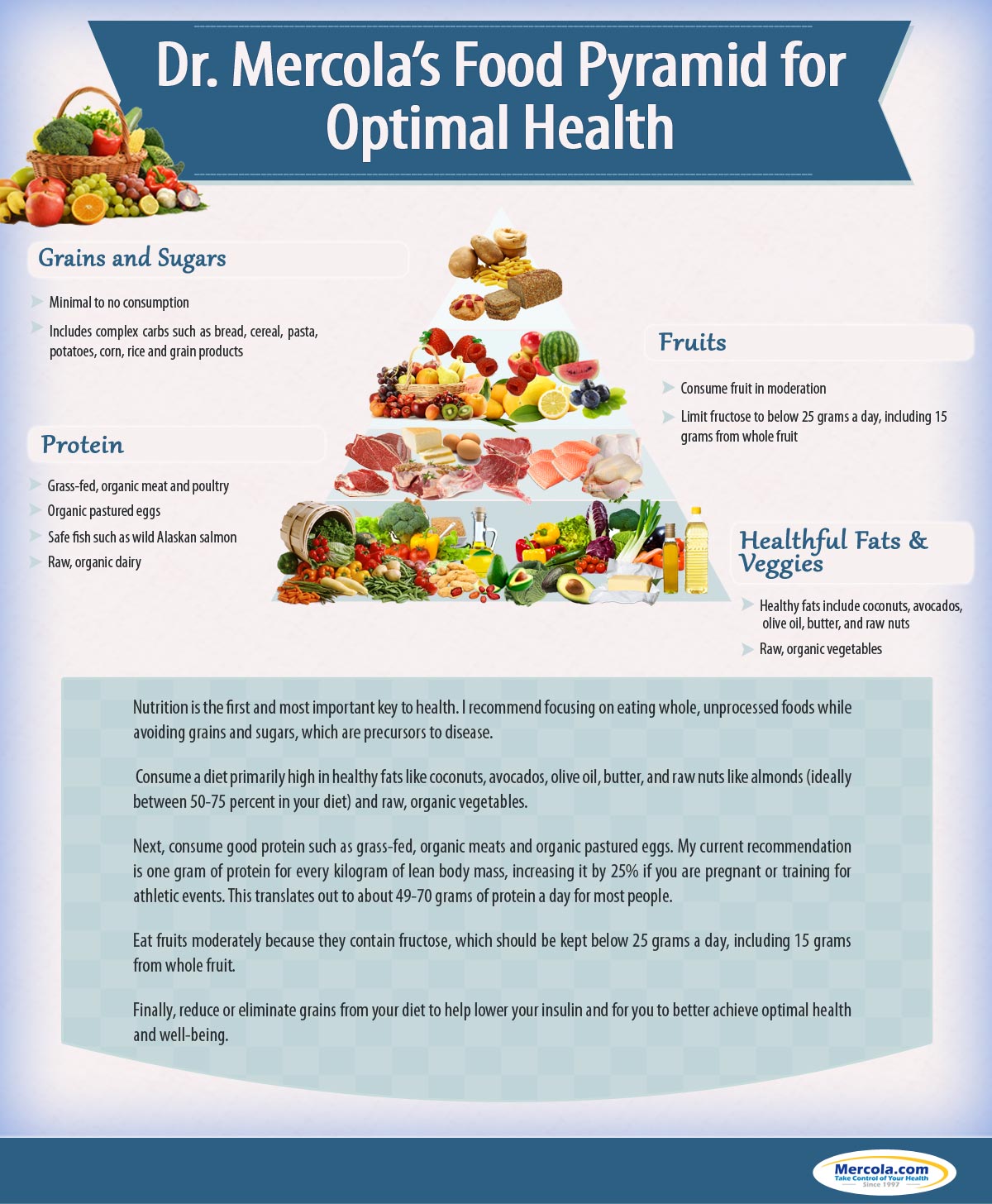
Most nuts’ nutritional makeup closely resemble what I consider to be an ideal ratio of the basic building blocks—fat making up the greatest amount of your daily calories, followed by a moderate amount of high quality protein and a low amount of non-vegetable carbs (see my Food Pyramid for Optimal Health).
That said, some have more ideal ratios than others. My favorite nuts aremacadamia and pecans, as they provide the highest amount of healthy fat while being on the lower end in terms of carbs and protein.
Raw macadamia nuts also contain high amounts of vitamin B1, magnesium, and manganese, while pecans boast more than 19 different vitamins and minerals that studies suggest can help you lower LDL cholesterol and promote healthy arteries.
Just one serving of macadamia nuts net 58 percent of what you need in manganese and 23 percent of the recommended daily value of thiamin. Moreover, about 60 percent of the fatty acid in macadamia is the monounsaturated fat oleic acid. This is about the level found in olives, which are well known for their health benefits.
Walnuts are also known for their health-boosting properties, which includes anti-cancer activity (slashing breast cancer risk in mice by 50 percent, and reducing prostate cancer growth by 30-40 percent), and improved reproductive health in men, just to mention a couple.
Just one-quarter cup of walnuts also provides more than 100 percent of the daily recommended value of plant-based omega-3 fats, along with high amounts of copper, manganese, molybdenum, and biotin.
It’s thought that up to 90 percent of the antioxidants in walnuts are found in the skin, making it one of the healthiest parts to consume. In some cases, the skin can be rather bitter, which is why most people tend to peel it off, but by doing so you’re actually removing some of the healthiest parts.
Even pistachios, while having a more “lopsided” fat/protein/carb ratio, landing them toward the bottom of my list of healthy nuts, still have documented health benefits, particularly for diabetics. Compared to other nuts, pistachios are high in lutein, beta-carotene, and gamma-tocopherol (vitamin E), and eating one or two servings of pistachios a day has been shown to lower oxidized LDL cholesterol in people with elevated levels.12
Nut Nutrition Facts

For comparison, the following list shows the fat, protein, and carbohydrate content13 in grams per one ounce for your most common tree nuts:
Tree Nut
Numbers are grams per ounce
FatProteinCarbohydrates
Macadamias2224
Pecans2034
Pine nuts2044
Brazil nuts1943
Walnuts1844
Hazelnuts1735
Cashews1349
Almonds1466
Pistachios1368

Ideally, Choose Raw Organic Nuts

For the greatest health boost, look for nuts that are organic and raw, not irradiated or pasteurized. When it comes to almonds, be aware that even those labeled “raw” are typically pasteurized when sold in the US. The reason for this goes back to a couple of salmonella outbreaks in 2001 and 2004 that were traced back to raw almonds. As a result, as of September 1, 2007 virtually all almonds must be pasteurized before being sold. If you want truly raw almonds that have not undergone some form of pasteurization (oil- or dry roasting, blanching, steam processing or propylene oxide (PPO) treatment), you’ll need to seek out vendors selling in small quantities who have a waiver from the pasteurization requirement.
Another point to remember when it comes to almonds: As with walnuts, one of the healthiest aspects of this nut appears to be their skin, which is rich in antioxidants (including phenols, flavonoids, and phenolic acids) typically associated with vegetables and fruits. A study14 in the Journal of Agricultural and Food Chemistry even revealed that a one-ounce serving of almonds has a similar amount of total polyphenols as a cup of steamed broccoli or green tea.
Hence to get the greatest benefit, opt for almonds that have their skin on rather than blanched (de-skinned) almonds. When consumed with these guidelines in mind, raw, organic nuts are a convenient and enjoyable superfood to add to your diet, which is precisely why they’re recommended as one of the sources of healthy fats in my nutrition plan, along with avocadosraw dairy, and butter made from raw grass-fed organic milk, organic pastured egg yolks, coconuts and coconut oil, and grass-fed meats.

Friday, 19 June 2015

bat

Bat Masterson was the real deal. He came west in the 1870s and was at the Battle of Adobe Walls where the buffalo hunters held off the Comanche.adobe walls site as Billy Dixon might have seen it. He was an Army scout against the Kiowa; in 1877 he joined his brother Jim and Ed in Dodge City and was elected Sheriff of Ford County where he had a commendable record.
Bat wound up in New York City where he became a sports writer, editor, columnist for the New York Morning Telegraph. He regaled his readers with stories of the Wild West and his gunfighter friends. At the time he was more famous than Wyatt Earp. However, in later years, when someone asked him about legends in the West, Bat preferred to talk about Wyatt, whom he greatly admired.
When President Teddy Roosevelt suggested that Bat should write his biography he is supposed to have replied, “Mr. President, the real story of the Old West can never be told unless Wyatt Earp will tell what he knows, and Wyatt will not talk.”
Roosevelt’s press aide, the legend maker himself, Stuart Lake, heard this and was thus inspired to seek out Wyatt and write the highly fictionalized 1931 biography of Wyatt that turned him into a legend.
What many don’t know is Bat Masterson was also the model for Obadiah “The Sky” Masterson in Damon Runyon’s short story “The Idyll of Miss Sarah Brown,” and the popular Broadway musical “Guys and Dolls.”

Wednesday, 17 June 2015

how not to drink and ruin your life and we are talking water


A number of towns and districts across the US and Canada have successfully put an end to the fluoridation of communal water supplies, and the Fluoride Action Network (FAN) is tirelessly working to make that a reality for every community, not just in the US but around the world.
Fluoride is a toxic drug, the dangers of which far outweigh any benefit it might have to your teeth. In fact, any anti-cavity benefit you may reap from fluoride comes from topical application.
It does nothing for your teeth when swallowed, and if you read the fine print on your toothpaste, it clearly tells you not to swallow the toothpaste, and to contact poison control in case of ingestion.
Why? Because it’s toxic.

What Kind of Fluoride Is Added to Your Water?

In Vermont, 57 percent of the state’s residents drink fluoridated water. However, only 43 towns in the state fluoridate their water, and in Rutland County, Rutland City, parts of Rutland Town, Poultney, and Proctor are the only areas adding fluoride.
However, as most other areas, none of these water authorities use pharmaceutical grade fluoride; they use hydrofluosilicic acid—a toxic waste product of the fertilizer industry that is frequently contaminated with heavy metals and other toxins.
This is a key point that many fluoride proponents fail to address when arguing for its use. As noted by the Rutland Herald:1
“The recent articles and editorials in the Rutland Herald related to fluoride state that those who support the elimination of fluoridation fail to cite credible research to support such an action.
It never asks the pro-fluoridation community to cite their research. Instead the oral health community parade dentists and community health professionals who discuss anecdotal information but offer no solid data.”

Shifting the Burden of Proof to Where It Belongs

Indeed, holding elected officials accountable for procuring proof that the specific fluoridation chemical used actually fulfills fluoride’s health and safety claims and complies with all regulations, laws, and risk assessments required for safe drinking water, has been a successful strategy for halting water fluoridation in a number of areas around the US.
For example, a few years ago a town in Tennessee stopped adding thehydrofluosilicic acid fluoride product they had been using while still keeping its resolution to fluoridate its water supplies intact, meaning they didn’t even take a stand on whether it might be harmful or beneficial.
Since they were unable to find a replacement product compliant with existing laws, regulations, and safe-water requirements, the water remains un-fluoridated.
Getting back to Vermont, the town of Bennington recently voted down a water fluoridation proposal, despite aggressive campaigning by a well-organized and well-funded pro-fluoridation coalition.2

Pennsylvania Towns Address Water Fluoridation

The Gilford Water Authority in Gilford, Pennsylvania3 also recently decided to end fluoridation after more than 60 years of practicing it. Water Authority officials sent a letter to its customers stating, “We believe we should not put anything into the water that is not required by regulation to maintain the potability and pH balance of your water.”
Brackenridge, PA is also considering removing fluoride from its water supplies, and other Pennsylvanians want it out of their water systems too. “When is the New Kensington Municipal Authority going to remove that poison from our drinking water?” a local news article4 asks, adding:
“In the 1990s, Harvard University conducted a 14-year study that found a link between fluoride and bone cancer. Kidney disease, arthritis, impaired thyroid function, bladder cancer and an increased risk of Alzheimer's disease are all additional risks associated with fluoride toxicity.”
And that’s the short list of health hazards linked to fluoride. Importantly, the National Research Council of the National Academies (NRC) published a 500-page long scientific review5 in 2006, concluding that fluoride is an endocrine disruptor.
As such, it can affect your thyroid function—a risk that has been confirmed by more recent research. Children are at greatest risk for adverse effects from endocrine disrupting chemicals, but researchers recently warned some 15,000 Britons may be needlessly afflicted with hypothyroidism as a result of drinking fluoridated water.6
With thyroid dysfunction rampant in both the UK and the US, it clearly makes no sense from a public health stand point to medicate entire populations against dental caries—which can easily and effectively be addressed through other means—while inducing or exacerbating a more severe disorders such as hypothyroidism.

Fluoride Level Lowered, but Still Ignores Major Health Threats

In April, the US Department of Health and Human Services (HHS) announced it is lowering the recommended level of fluoride in drinking water7,8,9 from 0.7-1.2 milligrams per liter (mg/L) to an upper level of 0.7 mg/L, as 40 percent of US teens show signs of overexposure10 (dental fluorosis).
In some areas, dental fluorosis rates are as high as 70-80 percent, with some children suffering from advanced forms.
The HHS said it will evaluate dental fluorosis rates among children in 10 years to assess whether they were correct about this new level being protective against dental fluorosis. But just what is the acceptable level of harm in the name of cavity prevention?
And, more importantly, dental fluorosis—the staining and pitting that appears on your teeth following overexposure to fluoride during tooth formation—is not the only adverse effect of fluoride overexposure. Nor is it the most significant; it’s merely the most visible effect.
A number of studies11,12,13,14 have shown that children who have moderate or severe dental fluorosis score worse on tests measuring cognitive skills and IQ than peers without fluorosis. This adds weight to the 42 human studies15 linking moderately high fluoride exposures with reduced IQ in children, and the 100+ animal studies that have linked it to brain damage.
Recent research16,17 has also linked water fluoridation with an increased prevalence of attention-deficit hyperactive disorder (ADHD). Using a predictive model, the researchers found that every one percent increase in the portion of the US population drinking fluoridated water in 1992 was associated with 67,000 additional cases of ADHD 11 years later, and an additional 131,000 cases 19 years later.

Be Sure to Watch the East Brunswick Fluoridation Debate

If you’re reading this then you most likely oppose fluoridation, and if you oppose fluoridation then sooner or later you’re bound to find yourself debating the issue with friends, family, colleagues, and local government officials. If you want to be prepared the next time a discussion on fluoridation ensues, watch and study the video above of a recent fluoridation debate in New Jersey. In it, FAN’s Director and environmental chemist, Paul Connett, PhD debates periodontist and former President of the New Jersey Dental Association, Richard Kahn, DDS on the safety, ethics, and effectiveness of fluoridation. The video also features legal expert David Lonsky, Esq, who reviews the legal issues stemming from the practice.
After you’re done watching the debate, please share it with your local councilors, water plant employees, and state legislators. It’s a powerful tool for educating local decision-makers about fluoridation, offering them both the scientific case against the practice as well as the rebuttals to claims made by proponents. In fact, please consider sharing this with officials as one of the first steps to take when initiating a local campaign. Local officials will be more likely to reject fluoridation if they’ve already heard the often-repeated pro-fluoridation talking points debunked prior to holding any hearings. So please don’t hesitate. Email the link for this debate to your local and state officials today!

Other Recent Victories in the Fight Against Water Fluoridation

While difficult, ending water fluoridation is not impossible, as the following victories around the US and Canada attest:
  • Clarksburg, West Virginia18—Water Board members voted 2-1 in April to end fluoridation due to the growing number of studies showing negative side effects. The decision by the Clarksburg board ends fluoridation for over 25,000 citizens, including residents of Bridgeport and a number of other smaller communities.19
  • Oneida, New York20—On May 5th the Common Council voted 5-1 to reject fluoridation for the third time since 2002. For months, the council held public hearings and debates on fluoridation, listening to an array of experts on both sides of the issue, including FAN’s Dr. Paul Connett and NY Dept. of Health’s Dental Representative Jay Kumar, who is a long-time promoter of fluoridation. Despite an aggressive lobbying campaign by the fluoride-lobby, the council and community couldn’t be tricked into believing that the practice was safe, effective, or necessary. The decision will protect the water for over 21,000 residents.
  • Kingsville, Ontario21—This Canadian City Council, representing over 20,000 citizens, passed a motion in April reaffirming its stance in opposition to fluoridation. The issue was raised by the former Deputy Mayor, who urged the council to pass the motion to send a message to the provincial government, which is considering mandating the practice. The community of Lakeshore, Ontario22 also recently publicized their opposition to fluoridation, and will be sending a letter to provincial officials opposing a mandate.
  • Carl Junction, Missouri23—Councilors voted to end fluoridation in April after considering a number of concerns they had regarding the effectiveness and safety of the practice. The community, which is home to approximately 8,000 residents, started fluoridating the water supply in 2005 after voters approved the use of the additive. Carl Junction isn’t alone in making this decision. According to a recent article,24 “over the past five years, [at least] seven cities and towns in Missouri have removed fluoride from their municipal water systems, and a half-dozen more have put the matter to vote.”
  • Sonoma City, California25—In March, City Councilors voted 3-2 to oppose a proposal by the County government to add fluoride to the city’s drinking water. The council will be sending a letter of opposition to the Sonoma County Board of Supervisors.